
Choosing shower screens in Perth depends on your bathroom size, layout, glass type, budget and daily needs. Frameless screens provide a clean, open appearance, while semi-frameless designs balance style and practicality. Framed screens can suit tighter budgets, older bathrooms and uneven walls. You should also consider door movement, water control, hardware, cleaning and safety requirements. The best screen should fit your space first, with style supporting the practical design.
A shower screen does more than separate the wet and dry areas of your bathroom. It affects how the room looks, how easily you move around and how simple it is to clean. The right design can make a small bathroom feel more spacious, while the wrong configuration may restrict movement and allow water to spread across the floor.
With many designs, glass options and door styles available, it helps to begin with practical details. Your bathroom layout, available space and everyday requirements should guide your decision rather than trends alone.
What Should You Consider Before Choosing a Shower Screen?
Before choosing a shower screen, consider the size and layout of your bathroom. Look at where the shower is positioned, how much space is available around it and whether a door can open without hitting a vanity, toilet, towel rail or wall.
Your cleaning preferences, budget and preferred style are also important. A frameless screen may provide the modern appearance you want, but it can require more precise installation and may cost more than a framed option.
The condition of your walls and floor should also be checked. Older bathrooms may have walls that are slightly uneven or out of square, which can affect how different screen designs fit. Professional measurement can identify these issues before installation and help prevent expensive changes later.
You should also think about ventilation and lighting. Good airflow can reduce condensation and soap buildup, while natural or artificial light may influence whether clear, frosted or textured glass is most suitable.
Which Type of Shower Screen Is Best?
There is no single shower screen that suits every bathroom. The three most common options are framed, semi-frameless and frameless screens. Each design has different benefits, so the best choice depends on your space, budget, maintenance preferences and preferred appearance.
Frameless Shower Screens
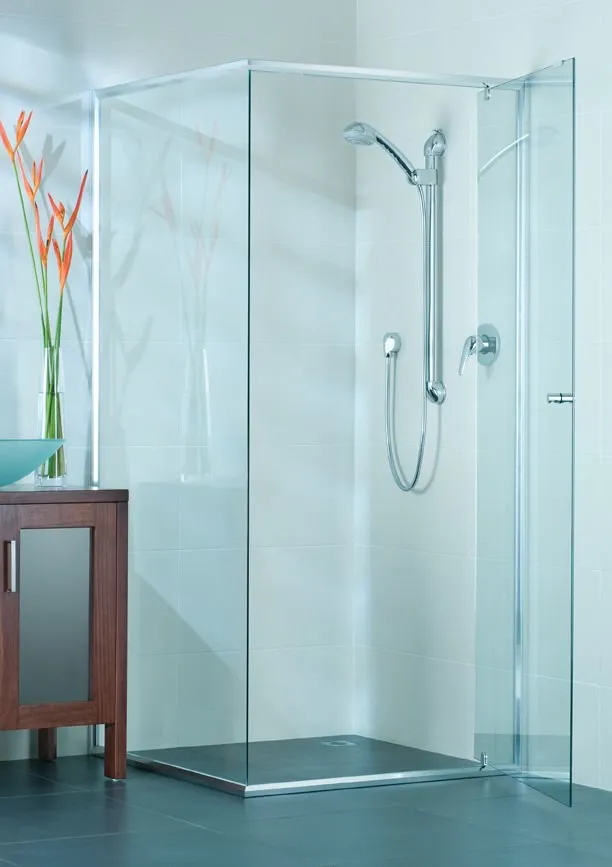
Frameless shower screens use minimal visible framing around the glass. This creates a clean, modern appearance and allows more of the bathroom to remain visible. With fewer visual barriers, frameless screens can also make smaller bathrooms feel more spacious.
They are particularly popular in contemporary bathroom renovations. However, frameless systems generally require thicker safety glass, quality hardware and accurate installation. Even small measurement errors can affect the final fit, so professional installation is important.
A frameless screen may be the right choice if you want an open, minimalist look and are prepared to invest in careful measurement and installation. It can also showcase feature tiles, stonework and modern tapware without adding visual clutter.
Semi-Frameless Shower Screens
Semi-frameless screens offer a balance between framed and frameless designs. They use less framing than traditional screens while still providing additional support around selected edges or panels.
This makes them a practical option for many bathroom renovations. They offer a modern appearance without the cost or minimal structure of a fully frameless system. Semi-frameless screens can also provide more flexibility where walls are not perfectly straight.
If you want a clean look with a little more structure, a semi-frameless screen may be a suitable middle ground. It can provide a useful combination of appearance, durability and value.
Framed Shower Screens
Framed shower screens include framing around the glass panels. The frame provides additional structure and support, which can make this design suitable for older bathrooms or areas where the walls are slightly out of square.
Framed screens can also be a more budget-friendly option. They are available in a range of colours and finishes, making it possible to match them with your tapware and other bathroom fittings.
The main trade-off is that the frame and channels are more noticeable. These areas can also collect soap residue and water, which may mean more regular cleaning. Even so, framed screens remain a practical and reliable choice for many Perth bathrooms.
What Glass Should You Choose?
Glass is one of the most important parts of a shower screen. Bathroom screens should use suitable safety glazing, and Australian requirements cover the use of Grade A safety glass. Glass shower screen systems must also meet relevant standards.
The required glass thickness can vary depending on the screen design and installation. Frameless systems generally need thicker glass than framed systems because the glass carries more of the structural load.
It is important not to choose glass thickness based only on appearance. Your installer should confirm the appropriate specification for the design, size and location of your screen.
If you are comparing glass in Perth, focus on suitability rather than appearance alone. The right glass should match the screen design, bathroom layout and intended use. Ask about the glass specification, edge finishing, safety rating and available treatments before making a final decision.
Should You Choose Clear, Frosted or Textured Glass?
- Clear glass remains a popular choice because it allows more light to pass through the shower area. This can help a smaller bathroom feel brighter and more open. It also provides an unobstructed view of feature tiles and other bathroom finishes.
- Frosted glass offers greater privacy, which may be useful in shared bathrooms or homes where the bathroom is used by several people.
- Textured glass can also provide privacy while adding visual interest to the room.
When choosing between clear, frosted and textured glass, think about how the bathroom is used. Consider privacy, natural light, the overall style of the room and how easy each option will be to clean. Some textured surfaces may require more attention because residue can collect in their patterns.
What Shower Door Style Works Best?
The shower door style needs to suit the available floor space. A screen may look attractive, but it can become frustrating if the door cannot open comfortably or interferes with other bathroom fixtures.
Pivot Doors
Pivot doors need enough space to swing open safely and comfortably. They work well in bathrooms with clear floor space in front of the shower and provide a simple, clean appearance.
Before choosing a pivot door, check that it will not hit the vanity, toilet, towel rail or bathroom door when opened. The hinge position should also be selected carefully to provide convenient access.
Sliding Doors
Sliding doors can help save floor space because they do not swing into the bathroom. They are useful when a hinged door cannot open freely and can work particularly well in compact bathrooms.
The main consideration is maintenance. Sliding doors include tracks or channels that can collect water, soap residue and dirt, so they need regular cleaning. Quality rollers and hardware can help the door operate smoothly over time.
Fixed Panels
A fixed panel creates a simple walk-in shower without a traditional door. This can give the bathroom a spacious and open appearance while reducing the number of moving parts.
However, the shower layout must be designed carefully to control water. The size and position of the panel need to prevent water from escaping into the rest of the bathroom. A fixed panel may also require a wider shower area to provide adequate splash protection.
What About Aluminium Shower Screens?
Aluminium shower screens are commonly used in framed and semi-frameless shower screens. Aluminium provides a lightweight and practical framing solution and is available in finishes that can complement different bathroom styles.
When considering aluminium shower screens, look beyond the colour. Check the quality of the frame, hinges, handles and other hardware. You should also consider how the channels will collect water and residue and how easily those areas can be cleaned.
The finish should work with your tapware, handles and other bathroom fittings. Popular options may include silver, chrome, matte black and other powder-coated finishes, depending on the design. Ask how the finish should be maintained, particularly if you are choosing a darker colour that may show water spots.
How Do You Choose a Shower Screen for a Small Bathroom?
Small bathrooms need careful planning because every centimetre matters. A bulky screen or poorly positioned door can make the room feel cramped and restrict movement.
Clear glass can help maintain an open visual line through the bathroom. Sliding doors can save floor space, while a corner configuration may work well in compact layouts. Frameless designs can also create a more open appearance by reducing visible framing.
However, the best choice depends on the actual layout. Measure the shower area and check the position of nearby fixtures before choosing a particular screen design. A professional can also assess door clearance and recommend a configuration that provides comfortable access.
What If Your Bathroom Walls Are Uneven?
Uneven walls are common in older bathrooms. Walls may not be perfectly straight or square, which can affect how different screen types fit.
Framed and semi-frameless designs can offer more adjustment in these situations. Frameless installations usually demand greater measurement accuracy because there is less framing to accommodate variations in the walls.
Professional measurement can identify these issues early. It can also help prevent gaps, poor alignment and doors that do not close properly. If the walls or floor require correction, this should be addressed before the screen is installed.
Does Shower Screen Installation Really Matter?
Yes. Even a high-quality shower screen can perform poorly if it is measured or installed incorrectly.
The screen needs to be accurately measured, properly aligned and securely fixed. Doors should open and close without catching, while seals should be positioned correctly to help keep water inside the shower area.
The surrounding waterproofing and bathroom construction also matter. Australian waterproofing requirements address how enclosed and unenclosed showers control water spread.
This is why shower screen installation should not be treated as an afterthought. Professionals offering city glass solutions can ensure the screen fits correctly, operates smoothly and performs as intended. It can also reduce the risk of leaks, movement, cracked glass or premature hardware failure.
What Should You Ask Before Buying?
Before ordering your shower screen, ask the following questions:
- Which screen design suits my bathroom layout?
- How much door clearance do I have?
- Which glass specification is suitable?
- Would a framed, semi-frameless or frameless screen work best?
- How much maintenance will the design require?
- Where will the door open?
- How will the screen contain water?
- Which hardware finishes are available?
- Has the shower area been measured accurately?
- Does the installation meet applicable requirements?
These questions can make the decision easier and help you compare different options fairly. They can also highlight potential problems before the screen is ordered.
Shower Screens in Perth: What Works Best?
Perth bathrooms vary in size, age and layout, so the right shower screen depends on your space and daily needs. A compact ensuite may require a different configuration from a large family bathroom.
For homeowners comparing shower screens in Perth, Midland Glass and Aluminium can help with professional advice, accurate measurements and quality installation. Whether you prefer a minimalist frameless design, a balanced semi-frameless option or practical framed glass, their team can help you choose a suitable solution.
Midland Glass and Aluminium also provides affordable glass, dependable glass replacements and Perth glass repair for residential projects. Their local experience makes it easier to find a shower screen that looks good, works properly and suits your bathroom for years.
Final Thoughts
Choosing a shower screen in Perth is not simply about picking attractive glass. The best choice balances design, space, safety, maintenance and everyday use.
Consider the bathroom layout before choosing the screen style. Check the door movement before selecting the configuration, and think about cleaning before deciding on the frame design. You should also confirm that the glass and installation meet applicable requirements.
A well-chosen shower screen should solve problems rather than create them. That is the real goal of a successful bathroom upgrade.
Frequently Asked Questions
1. Are frameless shower screens suitable for small bathrooms?
Yes. Frameless shower screens can make a small bathroom feel more open because they use minimal visible framing. Clear glass also allows light and sightlines to pass through the shower area. However, the layout, door movement and water control still need to be assessed before installation.
2. Are shower screens in Perth required to use safety glass?
Bathroom shower screens should use suitable safety glazing that meets applicable Australian requirements. Your installer should confirm the correct glass specification, thickness and installation method for your chosen design.
3. Is clear glass easier to clean than textured glass?
Clear glass usually has a smooth surface, which can make wiping easier. Textured glass may provide more privacy, but its pattern can collect residue in some areas. Regular cleaning and good ventilation can help maintain either option.
4. Which shower door is best for a compact bathroom?
Sliding doors and carefully planned fixed panels can work well in compact bathrooms because they reduce the space needed for door movement. A professional should check the layout before recommending a configuration.
5. Can a shower screen be installed on uneven walls?
Yes, but the design may need to accommodate the wall condition. Framed and semi-frameless screens often provide more adjustment than frameless systems. Accurate measurement is essential for a secure and neat result.
6. How often should a shower screen be cleaned?
The frequency depends on water quality, ventilation and daily use. Wiping the glass after showers can reduce water spots and soap buildup. Tracks, seals and frame channels should also be cleaned regularly.
7. Why should shower screen installation be completed professionally?
Professional installation helps ensure accurate measurement, secure fixing, correct alignment and effective water control. It can also reduce the risk of doors catching, seals failing or glass being placed under unnecessary stress.